
Top 7 Causes of HVAC Compressor Failure (and How to Prevent Them)
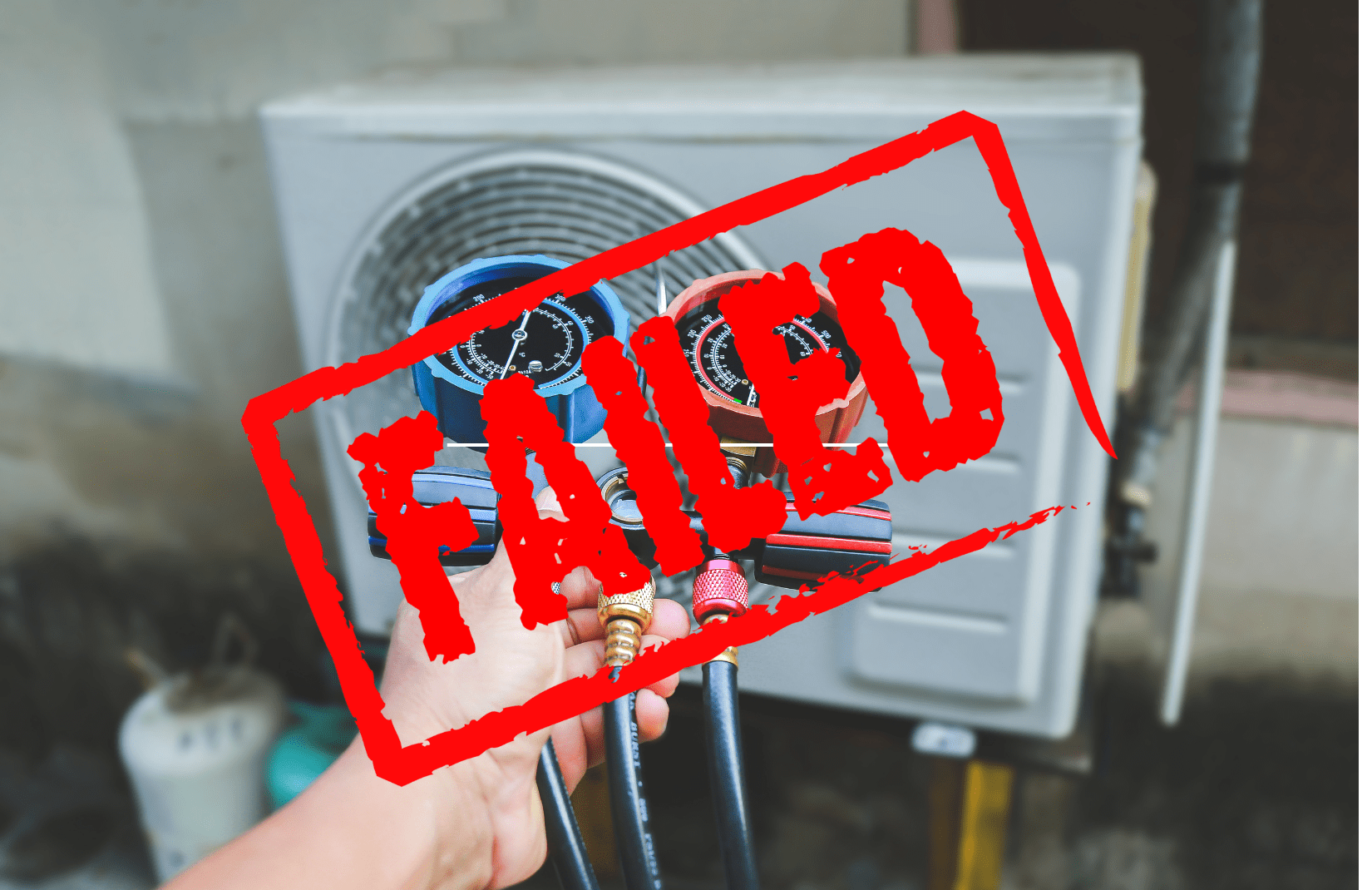
Why HVAC Compressor Failure Happens
In the HVAC industry, compressor failure is one of the most common and expensive problems technicians face. The HVAC compressor is the heart of any commercial HVAC system or refrigeration system, responsible for circulating refrigerant and maintaining the pressure required for cooling.
When a compressor fails, the entire system can shut down — leading to lost inventory, uncomfortable buildings, and costly emergency service calls. Understanding the most common causes of HVAC compressor failure can help contractors prevent breakdowns and improve HVAC equipment reliability.
1. Refrigerant Floodback
Floodback occurs when liquid refrigerant returns to the compressor instead of evaporating in the evaporator coil. Compressors are designed to compress vapor, not liquid, so floodback can quickly cause mechanical damage.
Prevention
-
Maintain proper superheat settings
-
Ensure expansion valves are functioning properly
-
Monitor refrigerant flow conditions
2. Refrigerant Slugging
Slugging happens when large amounts of liquid refrigerant enter the compressor during startup. This sudden impact can break valves, pistons, or internal components.
Prevention
-
Install crankcase heaters
-
Allow proper off-cycle refrigerant migration control
-
Use monitoring systems to detect abnormal conditions
3. Lack of Lubrication
Compressors rely on proper oil circulation to protect internal components. Low oil levels or poor oil return can cause overheating, excessive wear, and eventual failure.
Prevention
-
Monitor oil levels regularly
-
Maintain proper refrigerant velocities
-
Inspect oil separators and return systems
4. Electrical Issues
Voltage imbalance, power surges, and electrical faults are common causes of compressor damage. Electrical failures can burn out motor windings and permanently disable the compressor.
Prevention
-
Monitor voltage and current levels
-
Install proper electrical protection
-
Inspect wiring and contactors regularly
5. System Contamination
Moisture, debris, and acid buildup can contaminate HVAC systems and damage compressors over time. Contaminants can destroy insulation in motor windings and corrode internal components.
Prevention
-
Replace filter driers
-
Perform proper evacuation procedures
-
Follow clean installation practices
6. Overheating
Excessive heat can break down oil and damage compressor components. High discharge temperatures are often caused by restricted airflow, low refrigerant levels, or excessive compression ratios.
Prevention
-
Maintain condenser airflow
-
Monitor system pressures
-
Ensure proper refrigerant charge
7. Improper Installation
Incorrect piping, poor evacuation, or improper system setup can lead to premature compressor failure. Many compressor failures can be traced back to installation mistakes.
Prevention
-
Follow manufacturer installation guidelines
-
Use proper evacuation and charging procedures
-
Verify system operating conditions
Preventing Compressor Failures with Smart Monitoring
Modern HVAC monitoring systems are helping contractors detect system issues before they lead to compressor failure. By tracking system pressures, temperatures, and fault codes, monitoring tools allow technicians to respond quickly when problems occur.
Solutions like SAMMi monitoring technology provide real-time alerts and system insights, helping contractors move toward predictive HVAC maintenance instead of reactive repairs.
Preventing compressor failure ultimately comes down to proper installation, regular maintenance, and early detection of system problems.