Autonomous Dispatch vs. Reactive Response
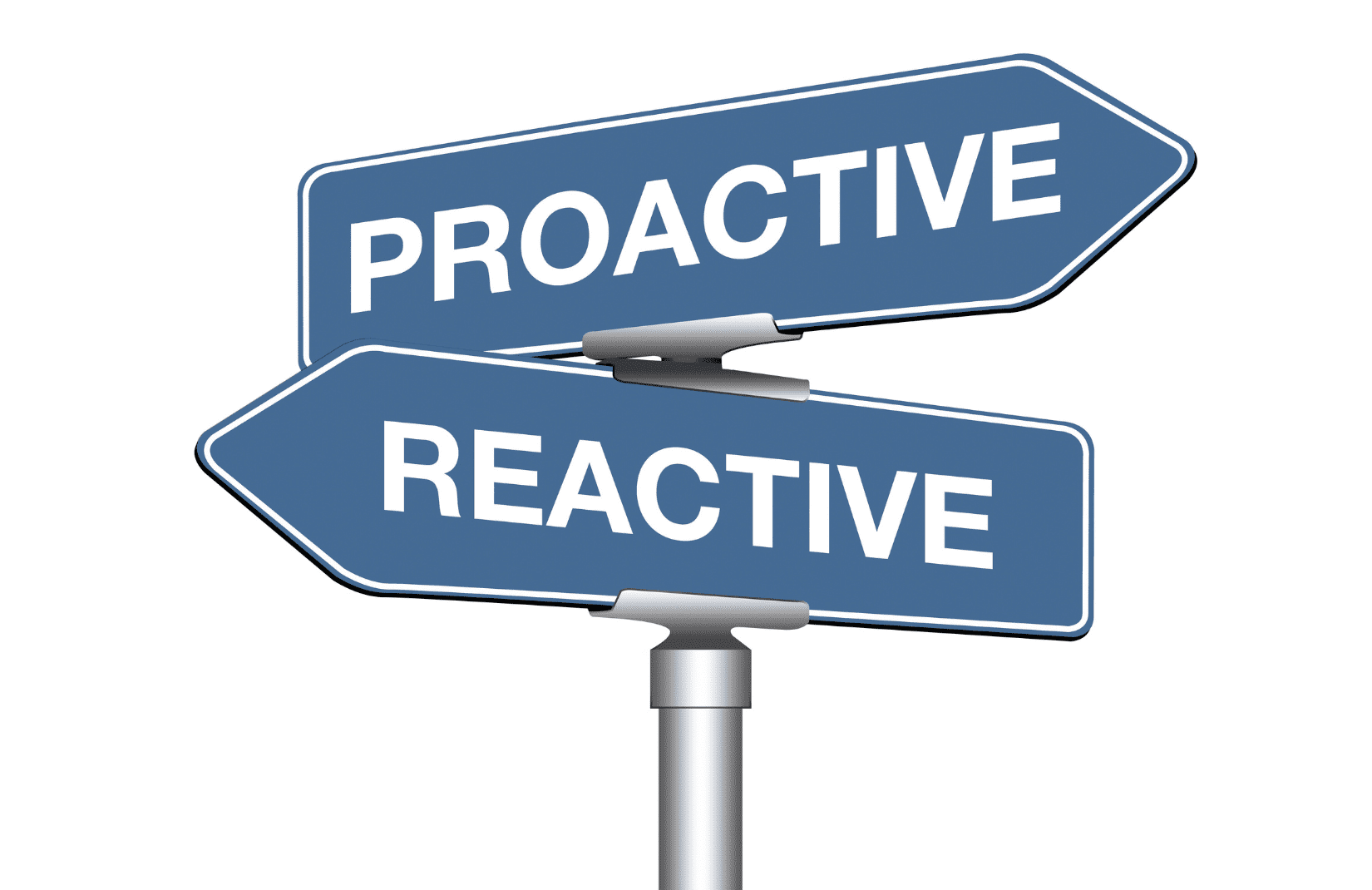
For decades, HVAC service has operated on a reactive model. A system fails, an alarm triggers, a call is placed, and a technician responds. While this approach has kept equipment running, it comes at a cost—unplanned downtime, rushed repairs, and avoidable damage.
Autonomous dispatch represents a fundamental shift in how HVAC and refrigeration systems are managed. Instead of waiting for failure, AI-driven platforms like SAMMi continuously monitor system behavior, detect abnormal patterns, and initiate action before downtime occurs.
Reactive response treats symptoms. Autonomous dispatch addresses root causes.
Machine learning models analyze variables such as temperature stability, run time, load behavior, and cycling frequency. When deviations exceed acceptable thresholds, SAMMi evaluates severity and context, then automatically determines the appropriate response—whether that’s alerting a technician, escalating priority, or triggering service workflows.
This approach reduces emergency truck rolls, improves labor efficiency, and protects high-value equipment like compressors. When paired with CSG’s remanufactured compressors, autonomous dispatch ensures that both the hardware and the service model are optimized for reliability.
The difference is simple: reactive response responds to failure. Autonomous dispatch prevents it.